Soft washing is a material-and-soil decision
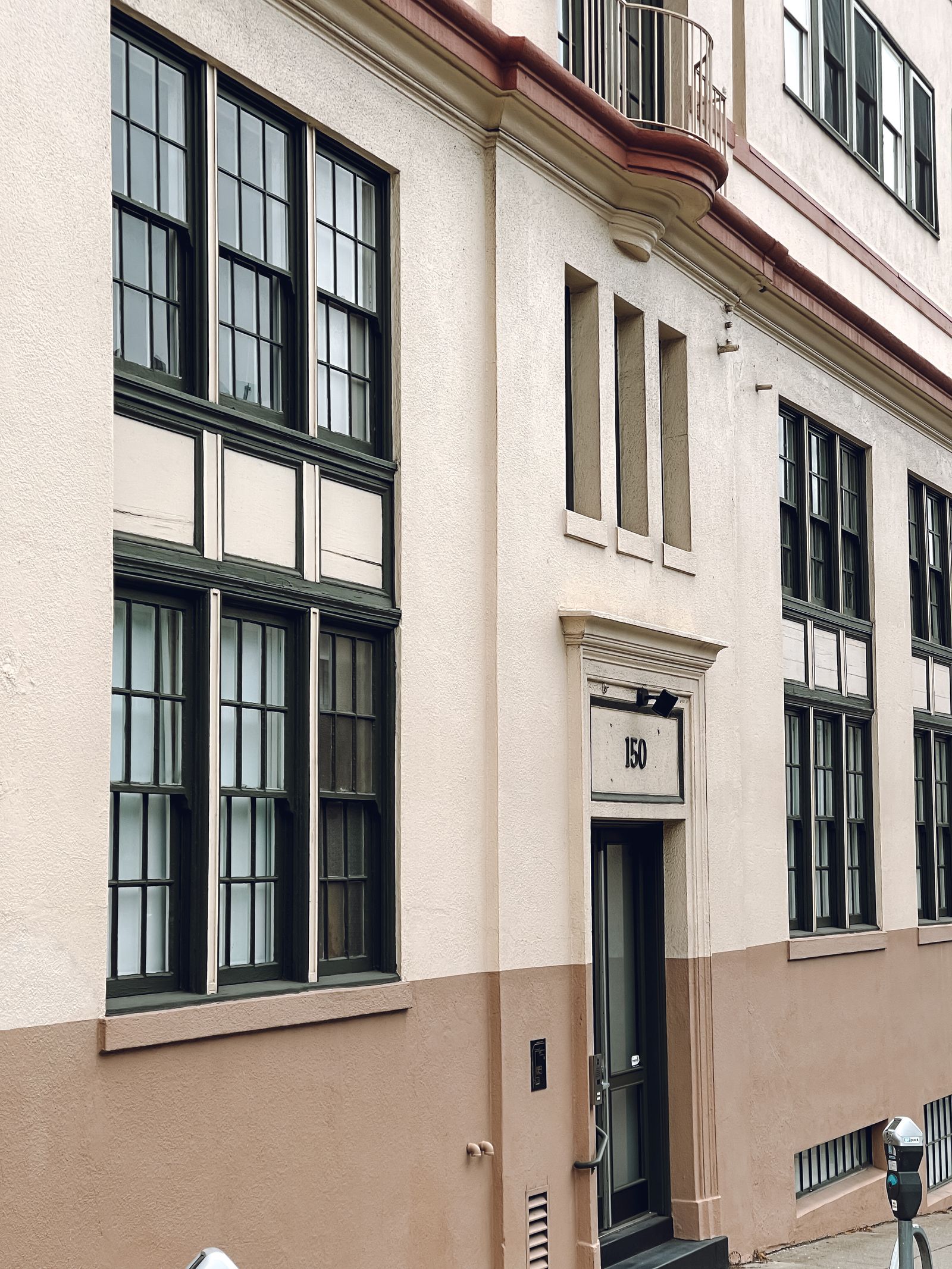
Soft washing relies more on compatible solution, dwell time, and controlled rinsing than on impact force. It may fit evaluated stucco, painted masonry, brick, concrete, EIFS, or other compatible surfaces affected by algae-like growth, pollen, bird residue, or atmospheric film. Lower pressure can reduce mechanical stress, but chemistry still needs control around plants, metals, glazing, coatings, sealants, air intakes, and runoff. Jackson humidity and shade can change dwell and drying, so a protected test area is useful when the facade includes old paint, newer panels, recurring wet streaks, or an uncertain deposit.
The visible mark matters as much as the method name. Salt is less central inland than on a coast, but mineral deposits, oxidation, embedded exhaust, bird residue, pollen, traffic film, failing coating, etched glass, and water-related staining may not respond to a routine soft wash. Ask the quote to identify the likely soil, included elevations, test-area expectations, dry appearance, and limitations. Washing should be separated from roof repair, joint replacement, corrosion treatment, painting, glass restoration, and building-envelope investigation.
Pressure washing belongs in evaluated durable zones
Pressure washing may fit selected sound concrete aprons, curbs, loading pads, service yards, parking surfaces, and other durable hardscape when surface condition, nozzle, distance, angle, flow, force, drainage, and adjacent uses are evaluated. It is not a universal commercial-building method. Excess force can etch concrete, expose aggregate, strip paint, disturb mortar, damage stucco or EIFS, open sealant joints, drive water behind panels, or mark textured finishes. The machine's advertised pressure does not describe the pressure at the surface or the operator's control.
A Jackson service area may combine pollen, leaves, algae-like growth, traffic soil, bird residue, tire marks, and drainage deposits. A pressure-cleaned concrete apron can sit beside a soft-washed masonry wall, but those zones need separate scopes. Ask where pressure is proposed, why the substrate can tolerate it, how doors and equipment are protected, how wet access is controlled, and what will be checked after drying. A blended method is often more credible than one setting across the whole property.
- Reserve pressure for tested, compatible surfaces and clearly defined work zones.
- Compare nozzle, distance, flow, force, overspray, and adjacent-material protection.
- Separate hardscape cleaning from facade washing, glass detail, mineral treatment, and repairs.
- Use a test area when the coating, substrate, or deposit is uncertain.
Jackson corridors change the operational comparison
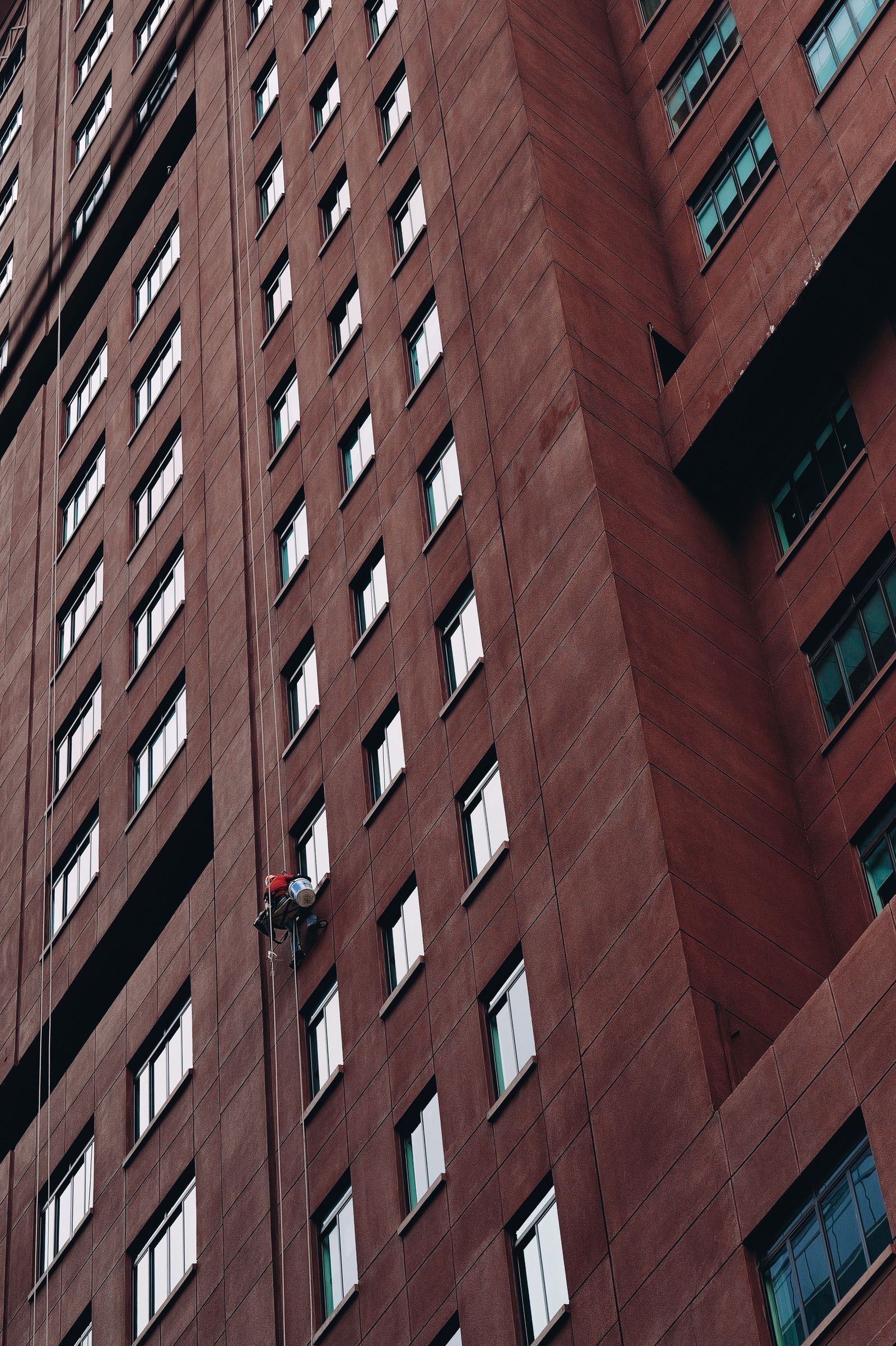
Downtown sidewalks and office entrances, Fondren patios and storefronts, and Highland Village customer parking each create different work-window questions. A method that is technically suitable can still fail if a pressure wand crosses the front door during arrivals, if mist reaches a restaurant patio, or if rinse water leaves a shared drive aisle slippery. I-55 medical and office corridors add patient drop-offs, accessible routes, deliveries, air intakes, security, and emergency access. Compare barriers, spotters, tenant notices, entrance handback, hose routing, delivery coordination, and pause authority along with the cleaning method.
Hotels, offices, clinics, retail, and warehouses also differ in how much of the exterior can be isolated. A phased plan may soft wash an upper elevation during a closed window, detail an entrance by hand, and pressure clean a rear concrete service area after deliveries. The required finish should determine the equipment and schedule. A lower-pressure process is not automatically the least disruptive, and a faster pressure rinse is not automatically the better value if it creates repairs or access problems.
Humidity, pollen, storms, and algae affect both methods
Humidity and shade can keep lower walls, tree-side elevations, canopies, and landscaped edges damp. Pollen can cling to ledges, signs, glass, and textured finishes, while storms can move leaves and soil toward entrances and drains. Algae-like growth may be present, but a dark or green mark can also be exhaust, oxidation, mineral scale, embedded soil, or coating failure. Soft-wash solution and pressure both need to be adjusted to the actual substrate, stain, temperature, wind, and drying conditions. Neither method should be selected from a machine label alone.
Wind affects mist, overspray, plants, barriers, hoses, public separation, and any aerial support. Rain can dilute treatment, create slippery access, and carry rinse water toward low points or neighboring areas. Lightning, high wind, extreme heat, or a storm window may require a pause. A recurring wet stripe may be caused by a gutter, downspout, irrigation head, condensate line, roof edge, failed joint, or planter. The estimate should distinguish cleaning from correction of that source and avoid promising that one wash will prevent recurrence.
Compare water, runoff, and protection controls
Both methods create a water-management question. Compare the source, product, soil, expected flow, slope, drains, low points, landscaping, vehicles, doors, air intakes, equipment, public routes, and neighboring property for every bid. A drain is not automatic permission to discharge treated water, and a landscaped bed is not an approved disposal location. Depending on the building, controls may include dry cleanup, diversion, reduced flow, recovery, filtration, inlet protection, plant protection, disposal, or coordination with the responsible authority.
Ask what happens if runoff does not follow the site sketch. Observe the first rinse, check barriers and hose lines, and pause if water leaves the controlled area. This matters at Downtown sidewalks, Fondren patios, Highland Village parking, medical drop-offs, office entrances, and warehouse yards. Include dry-condition photos, completed elevations, remaining deposits, visible damage, and removed controls in the closeout record. A clear closeout helps the facilities team evaluate the finished appearance after the building is fully dry and operating normally.
Use the comparison to choose a defensible Jackson scope
A compatible soft-wash treatment may be a sensible first test for algae-like growth, pollen, bird residue, or atmospheric film on an evaluated facade. Sound hardscape may instead tolerate controlled pressure. Other zones may need a low-flow rinse, water-fed pole, lift, contact detail, mineral treatment, corrosion referral, or restoration. Because a Jackson property often contains several materials and operating environments, an honest estimate may combine methods. A test area and dry review can show whether the proposed result is worth extending across the next elevation.
Ask the contractor to identify materials, visible conditions, method by zone, access equipment, weather limits, occupied-site controls, water and runoff assumptions, expected finish, exclusions, and closeout documentation. If aerial assistance is proposed, ask where it is feasible, what wind and site conditions are required, and what grounded method applies when it cannot be used. Technology can support a plan, but it cannot replace material judgment, site controls, or close-detail work.
For a Jackson quote, call +1 239-351-2897, email contact@dronebuildingcleaners.com, or use the existing contact form. Include the address, photos, facade materials, approximate height, priority elevations, desired timing, operating constraints, water access, nearby drains, and visible pollen, algae-like growth, storm, or drainage conditions. Drone Building Cleaners can help you get in touch and prepare a scope that explains the method, protection, expected result, and conditions that should be referred to another trade.